Short answer: choose PPC when people already search for what you sell, and paid social when you need to create demand they don’t yet search for. Most businesses need both, in that order. Kadima’s Google Ads work for one ecommerce brand delivered 6x more conversions at an 84% lower cost per acquisition.
If you’ve ever stared at an ad dashboard thinking, “Okay… numbers are moving… but are we actually winning?”, welcome to the club. Paid media has a funny way of looking productive while quietly doing nothing for your bottom line.
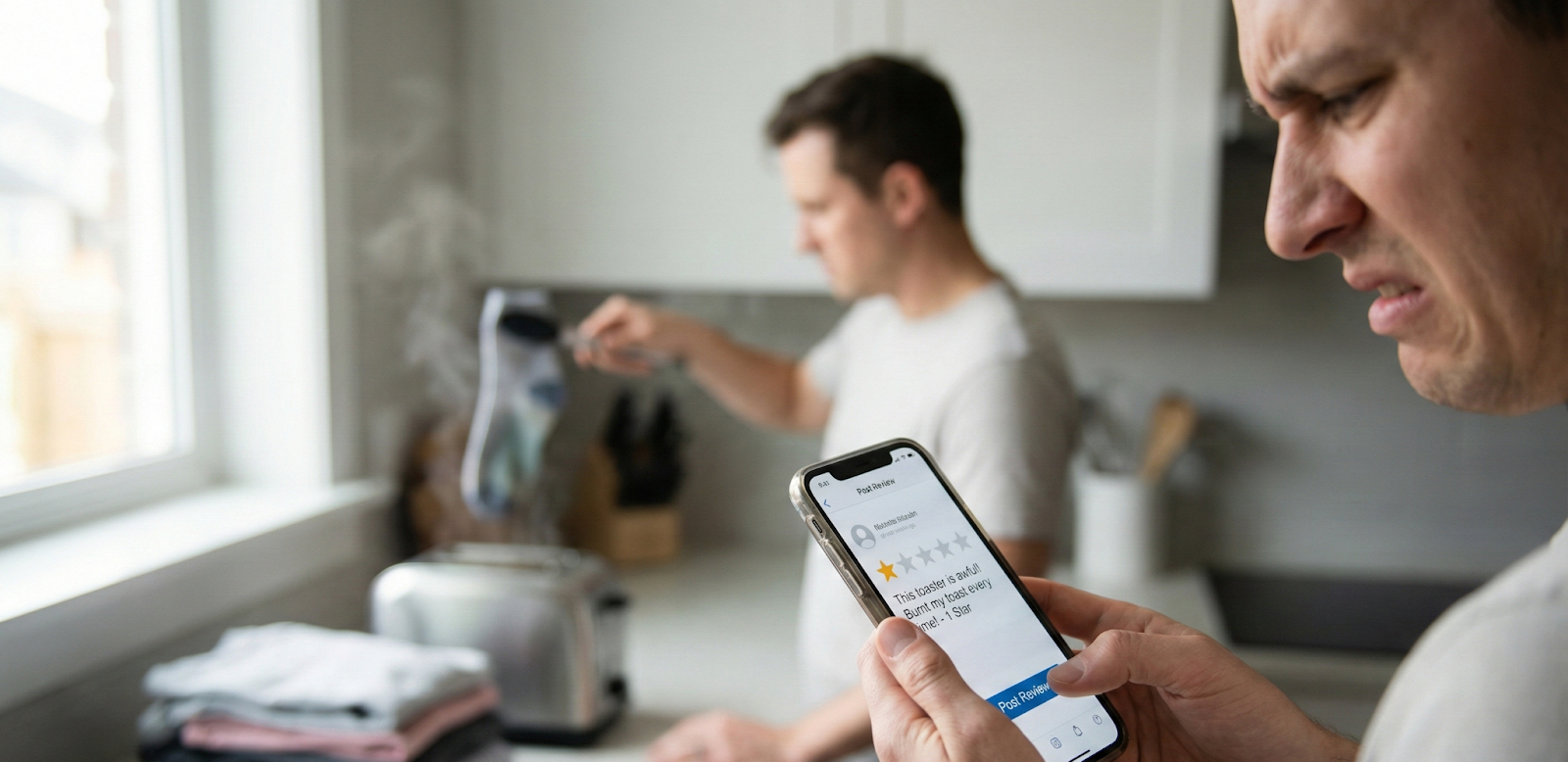
And honestly, most of the pain isn’t because PPC or paid social media “doesn’t work.” It’s because we pick a channel, throw money at it, and expect it to behave like the other channel. That’s like using a toaster as a hairdryer and then leaving a bad review for the toaster.
So let’s settle the question properly: PPC vs paid social ads, which one should your business lean into, and when? We’ll cover what each channel is, how people behave on search vs social, the real differences that matter, what typical costs feel like in SMB land, and how to combine both without building a complicated funnel that nobody wants to manage.
We run this for B2B advertisers. Our B2B PPC agency page covers how the accounts are structured.
What is PPC, and what are paid social ads?
PPC (Pay-Per-Click / Search Ads)
PPC usually means paid search, think Google Ads, Microsoft Ads, and Bing Ads, which are major search engines for PPC campaigns. Paid search ads appear in search engine results when users search for specific keywords.
Your ad shows up in the search results when users search, and you generally pay when they click. The important bit isn’t the payment model. It’s the intent.
Search traffic is people raising their hands. They’re saying, “I need this,” or “I’m comparing options,” or “I’m ready to buy, convince me.”
That’s why PPC is often the fastest route to leads, bookings, and ecommerce purchases, if you’re showing up for the right searches with the right offer. Paid search offers the benefit of reaching high-intent users who are actively searching for your products or services.
Paid search ads are often text-based ads, but PPC can also include Shopping ads (huge for ecommerce), call ads (great for service businesses), and ad extensions that make text-based ads bigger and more useful by adding site links, call buttons, or location info.
Ad placement is determined by bidding and ad relevance, so your ads can appear above organic listings or in specific positions within the search engine results. But whatever the format, the logic stays the same: match your message to what someone is actively looking for.
Paid social ads
Paid social runs on social media platforms like Facebook, Instagram, LinkedIn, TikTok, and other platforms across the digital landscape. These social media ads appear while people are browsing content, not while they’re actively searching for a solution.
That changes everything. Social media is visual-first and attention-based, which is why ad formats like carousel ads, video ads, image ads, reels, and story ads tend to dominate. On TikTok, Spark Ads let you put budget behind organic posts that already work, and our guide to TikTok ads cost covers what that attention costs.
Social advertising leverages the unique features of social media platforms to target users and engage potential customers through interactive and visually engaging content.
Targeting is also different: instead of keywords, you’re using advanced audience targeting capabilities, demographics, interests, behaviors, lookalikes, and the ability to create custom audiences for even more precise segmentation.
In plain language, paid social media is a form of social advertising that helps build brand awareness and supports brand building by getting in front of the right people, potential customers, before they go looking for you.
The core difference
If you remember nothing else, remember this: PPC is powered by intent. Paid social is powered by audiences and attention.
In search, people are already in “solve my problem” mode. On social media, they’re in “entertain me” mode. That doesn’t mean social can’t sell, it absolutely can, but the path to conversion is usually more about good creative and smart sequencing than it is about showing up at the exact right keyword moment.
Unlike PPC, paid social is more effective for building brand awareness, nurturing customer relationships, and driving engagement by creating demand through targeted content rather than capturing active search intent.
Why businesses use PPC and paid social ads
Most businesses don’t wake up excited to run ads. They run ads because they want something now that organic can’t deliver fast enough. Leads for the sales team. Orders for the warehouse. Foot traffic for a local store. Momentum for a launch.
The main goals usually fall into three buckets: lead generation, ecommerce sales, and brand awareness. Choosing the right paid channel should be driven by your business objectives and business goals, ensuring your advertising strategy aligns with what matters most to your company.
Paid media can help increase brand visibility and website traffic by targeting specific audiences and driving more visitors to your site. For e-commerce brands, both PPC and paid social are powerful tools to reach target audiences, promote products, and boost engagement.
If your priority is immediate sales, PPC can be especially effective for generating quick, direct results when fast outcomes are needed.
But here’s the twist: those goals don’t map equally well to every channel.
Search is where people go when they’re already motivated. Social is where people go when they’re not. That’s why paid search vs paid social isn’t a battle of platforms. It’s a match between your goal and your customer’s mindset.
Also, the best results usually come when we stop treating these channels like rivals. PPC and paid social are often a tag team: social builds familiarity and trust, search captures the moment someone finally decides to act.
If you’ve ever seen a customer watch your Instagram ad, ignore it for a week, then Google your brand name before buying, congrats, you’ve witnessed the combo at work.
Key differences between PPC and paid social ads
Here’s the clean, practical paid media comparison, the stuff that actually changes your outcomes.
| Feature | PPC (Search Ads) | Paid Social Ads |
| User intent | High (they’re actively searching) | Passive (they discover you while scrolling) |
| Platforms | Google, Bing | Facebook/Instagram, LinkedIn, TikTok |
| Ad formats | Text, Shopping, call-only | Image, video, carousel, stories/reels |
| Targeting | Keywords, location, device, time | Demographics, interests, behaviors, lookalikes |
| Best at | Direct response (leads/sales) | Awareness + retargeting + nurturing |
| Cost model | CPC, CPA | CPM, CPC, CPA |
Ad spend and campaign performance are tracked and optimized differently for PPC and paid social. With PPC, ad spend is closely tied to keyword bids and search intent, making it easier to adjust budgets based on direct response metrics.
Paid social requires monitoring campaign performance across various audience segments and creative formats, often optimizing ad spend to maximize reach and engagement.
Integrating both PPC and paid social is often part of a broader marketing strategy, allowing you to leverage the strengths of each channel for better overall results.
If you want the simplest translation, PPC is “catch” marketing (catch people searching). Paid social is “create and convince” marketing (create demand, convince people you’re worth their time).
When to choose PPC
PPC is usually the right first move when there’s clear, existing demand, and you can be the best answer to it. It’s also great when you need a relatively direct line from spend to results.
Choose PPC when the buyer intent is obvious
If people are searching “buy [product]”, “best [service] near me,” or “price for [solution],” PPC can work fast. You’re not trying to persuade someone that a problem exists; you’re simply showing up as a strong option while they’re shopping.
This is where search ads vs social ads often separate themselves. With PPC, your job is to be relevant, clear, and credible. With social media, your job is to earn attention first.
Choose PPC when you need immediate leads or bookings
For service businesses, PPC can be a pipeline lifeline. When your ads and landing pages are aligned, you can drive quote requests, calls, demo bookings, and appointments with fewer steps.
One warning, though: PPC will not “fix” a weak landing page or a confusing offer. If your site makes people hesitate, PPC will just deliver more hesitant people at a higher speed.
Choose PPC for local targeting
Local PPC is underrated. If you’re a business that serves specific suburbs or cities, search ads let you target those locations and show up at the exact moment someone wants a provider. It’s hard to beat “near me” behavior.
Choose PPC for ROI-focused campaigns
When someone asks for a paid ads ROI comparison, PPC is often easier to defend because the conversion path is straightforward: keyword → click → action. Attribution isn’t perfect, but it’s usually cleaner than social.
Google Ads for ecommerce
For e-commerce search, a clean site structure and a measurable lift in non-branded traffic and revenue. Google Ads for ecommerce can be incredibly efficient when your fundamentals are solid: strong product pages, competitive pricing, clear shipping/returns, and a clean feed.
Shopping campaigns can feel like being placed on the shelf right when someone is ready to buy. Display advertising, including banner ads, can also be effective for ecommerce brands looking to increase product visibility across the web.
If you’re on Shopify, this is also where paid media and SEO stop being separate conversations. Solid shopify seo services make your product and collection pages easier to discover, easier to trust, and cheaper to scale with ads over time.
The businesses that win long-term often pair PPC with a capable SEO agency for Shopify, and yes, that usually means working with the best shopify seo experts agency you can afford, not whoever promises page-one rankings by Friday.
If you’re benchmarking partners, you’ll see a lot of agencies call themselves the best shopify seo agency or claim they offer the best Shopify SEO services. Ignore the slogans and look for proof: technical audits, content that matches how people
But if your fundamentals aren’t solid, PPC gets expensive fast. It doesn’t mean PPC is bad; it means you’re paying for the truth.
When to choose paid social ads

Paid social is the right move when you need attention, awareness, and trust, especially in categories where people don’t search until later. It’s also the channel that rewards strong creatives more than anything else.
Choose paid social for awareness and demand creation
If you’re selling something new, premium, or not yet top-of-mind, social is where you can introduce the problem and position your solution. PPC can’t help much if nobody is searching. Paid social can get you in front of the right audience anyway.
Choose paid social for engagement and education
Some products need proof. Some services need explanation. Some brands need people to feel something before they click.
Paid social gives you room to educate with video demos, customer stories, comparisons, and objection-handling. It’s not “branding fluff” when it moves someone from skeptical to confident.
Choose paid social for retargeting (often the highest ROI play)
Retargeting is where paid social earns its keep. People visit, browse, leave, get distracted, and then you bring them back with retargeting campaigns that deliver the right message at the right time.
If you’re not retargeting, you’re basically paying for first dates and never following up. Which is… a choice.
Choose paid social for lead magnets and longer funnels
If you have a guide, webinar, quiz, or free tool, paid social is a strong top-of-funnel driver. You’re asking for a smaller commitment first (the lead), then nurturing toward a bigger commitment (the purchase or booking).
This is also where the classic Google Ads vs Facebook Ads comparison becomes more practical. Google tends to win at capturing existing intent. Facebook (and social platforms) tend to win at building intent and staying in front of people until they’re ready.
Combining PPC and paid social
Most businesses don’t need to pick one channel forever. They need a paid advertising strategy that matches how real people buy. In fact, combining PPC and paid social is often part of a comprehensive digital marketing strategy, allowing you to target specific audiences, build brand awareness, and increase engagement across multiple platforms.
A simple way to think about it: PPC closes. Social warms and reminds.
Here are two cross-channel plays that work without making your life complicated:
- PPC click → social retargeting: Someone clicks a Google ad, checks your site, then bails. Social retargeting brings them back with reviews, UGC, demos, and reassurance.
- Social awareness → PPC capture: Social introduces the brand and offer. Later, when the person searches your category or your brand, PPC ensures you show up and control that conversion moment.
This is also why last-click attribution can lie to your face. Social often does the convincing, and search gets the credit. If you only fund what gets the credit, you’ll end up with higher CPCs and a weaker brand over time.
Cost and ROI considerations
Let’s talk about money without pretending there’s one “average cost” that applies to everyone. Costs swing based on industry, competition, location, offer quality, and your funnel.
Still, the models are worth understanding. PPC is commonly CPC (pay per click), though bidding strategies often optimize toward CPA. Paid social frequently behaves like CPM (you’re paying for reach and attention), even if your dashboard shows CPC or CPA.
To compare channels fairly, calculate your cost per acquisition on each one against the same break-even figure.
Here’s what this means in real life: PPC can look expensive per click because you’re buying high intent. Social can look cheap because you’re buying impressions. But “cheap” impressions aren’t helpful if your creative doesn’t stop the scroll or your landing page doesn’t convert.
Tracking and attribution are the hidden parts of cost. PPC is often more direct: search → click → action. Social is often indirect: view → click later → search later → convert later. If your tracking is messy, your ROI decisions will be messy too.
Creative and copy: where campaigns are won (or quietly lose)
If you want a brutally honest take, here it is: most campaigns don’t fail because targeting was slightly off. They failed because the message and creative weren’t strong enough to make people care.
PPC copy: clarity wins
PPC is not the place to be clever. Your job is to match intent, reduce uncertainty, and make the next step obvious. Strong PPC ad copies usually have specific value props (pricing, guarantees, turnaround time, delivery) and a clear CTA.
Paid social creative: show the proof
Paid social is a visual trust game. Video demos, UGC, testimonials, before/after, and quick objection-handling tend to outperform polished, “corporate” creative because they feel real.
One simple rule helps: cold audiences need context and belief; warm audiences need a nudge and a reason to act now.
Common mistakes businesses make
Most mistakes repeat, which is good news, because we can avoid them.
The first is expecting paid social media to behave like PPC. Cold social traffic often needs more nurturing than search traffic, because the user wasn’t actively shopping. If you demand instant conversions from a cold social campaign with no retargeting, you’ll swear the platform is broken.
The second is relying only on PPC and ignoring awareness. That can work for a while, but it tends to get more expensive as competition heats up. Awareness and trust make your brand cheaper to buy in the long run.
The third is skipping retargeting. You paid for attention once, why not follow up? Retargeting is often the highest leverage part of the funnel.
And finally, businesses underestimate measurement. Poor keyword choices, sloppy audiences, and inconsistent tracking create chaos. Then the team “optimizes” based on noisy data and wonders why results swing wildly.
Metrics to track for PPC vs paid social
You don’t need a thousand metrics. You need a small set that keeps you honest.
For PPC, watch CTR, conversion rate, cost per conversion (CPA), the quality of search terms coming in, and landing page performance. If the clicks are relevant but conversions are weak, that’s usually a page or offer problem, not a platform problem.
For paid social, watch CPM (cost to reach), engagement rate (creative resonance), click-through rate, and conversion rate, especially on retargeting. Social performance is often creative-led, so engagement is an early signal of whether your message is working.
If you’re running multiple paid advertising channels, zoom out and track blended CPA/CAC too. Multi-touch journeys are normal. Don’t punish the channel that introduced the customer just because the other channel got the last click.
How to choose the right channel for your business
Start with your goal and be uncomfortably specific. Do you need leads in the next 30 days? Do you need to move product this month? Or are you trying to build awareness so you’re not constantly fighting for scraps in the auction?
Then think about your customer’s behavior. If people already search for what you sell, PPC will often be the fastest route to results. If they don’t search until later, paid social will help you get in front of them earlier and shape the decision.
Finally, take stock of your resources. PPC demands tight landing pages and strong offer clarity. Paid social demands consistent creative output. If you can’t feed the channel what it needs, it won’t perform, no matter how “good” the platform is.
A practical starting split many SMBs use is 60% PPC (intent capture) + 40% paid social (awareness + retargeting). From there, you adjust based on what’s actually happening in your funnel, not what you wish was happening.
FAQs
What is the difference between PPC and paid social ads?
PPC targets people based on search intent (keywords). Paid social targets people based on audiences (interests, demographics, behaviors). PPC often converts faster; paid social often builds awareness and improves conversions through nurturing and retargeting.
Which is better for small businesses: PPC or paid social?
If you need leads or sales quickly and people are actively searching, PPC is often the better start. If you need awareness, education, and retargeting, paid social media can be more effective. Many small businesses win with PPC for intent plus social for retargeting.
Can I run both PPC and paid social campaigns together?
Yes, and it’s usually smarter than picking one. PPC captures demand while social builds and nurtures it. Together, they align better with how people actually buy.
How do costs compare between PPC and paid social?
PPC can have higher CPCs because you’re buying high-intent clicks. Paid social can have lower CPMs for reach, but may take more touches to convert. Your offer, creative, landing page, and tracking often drive costs more than the platform does.
Which paid advertising channel drives faster ROI?
Often PPC, because intent is higher. But paid social retargeting can also drive fast ROI when you have warm audiences and strong creative. The “fastest” channel is the one that matches the buyer’s stage.
Do PPC and paid social ads complement each other?
Absolutely. Social introduces and nurtures; PPC captures intent. Used together, they usually improve blended ROI and reduce dependence on a single channel.
Running a store? Here is what an ecommerce PPC agency does differently.
A simple next step
Before you spend another cent, do a quick reality check. Can you track conversions cleanly? Do your ads send people to a page that actually matches the promise? Do you have at least a few creatives that look like they belong on the platform, not like they escaped a 2014 stock photo library?
If yes, you’re in a good position to test properly. Pick one clear goal, run a focused campaign that matches that goal, and measure results in a way that respects the full journey. That’s how paid media becomes a growth system, not an expensive hobby with graphs.
If you are looking for a reliable PPC agency, contact Kadima Digital.